Your business may need a new commercial alarm system if false alarms, recurring faults or coverage gaps have become common. Outdated equipment can also limit monitoring and make replacement parts difficult to source. A professional review will show whether a repair remains worthwhile or a new system offers better long term protection.
Waiting for an alarm to fail creates avoidable risk. By recognising the warning signs early, you can plan an upgrade before security problems interrupt your business.
Why Your Commercial Alarm System Needs Regular Review
A business alarm protects more than the building itself. It also helps safeguard employees, stock, equipment, data and day to day operations.
However, a system designed several years ago may no longer match how your premises operate. Your business may have expanded, introduced new access points or changed its working hours.
Security risks can change too. Regular reviews help ensure your alarm still covers vulnerable areas and raises the right response when an incident occurs.
Signs Your Business Needs a New Commercial Alarm System
1. False Alarms Have Become Common
One false activation may result from a simple user error. Frequent false alarms often indicate faulty sensors, damaged connections or poorly positioned equipment.
Repeated activations disrupt staff and can lead to unnecessary callouts. They may also reduce confidence in the system. Staff can become slower to respond when they assume every alert is another fault.
An engineer can inspect the system and find the cause. If several ageing components contribute to the problem, replacement may offer a more reliable solution.
2. Your System Suffers Recurring Faults
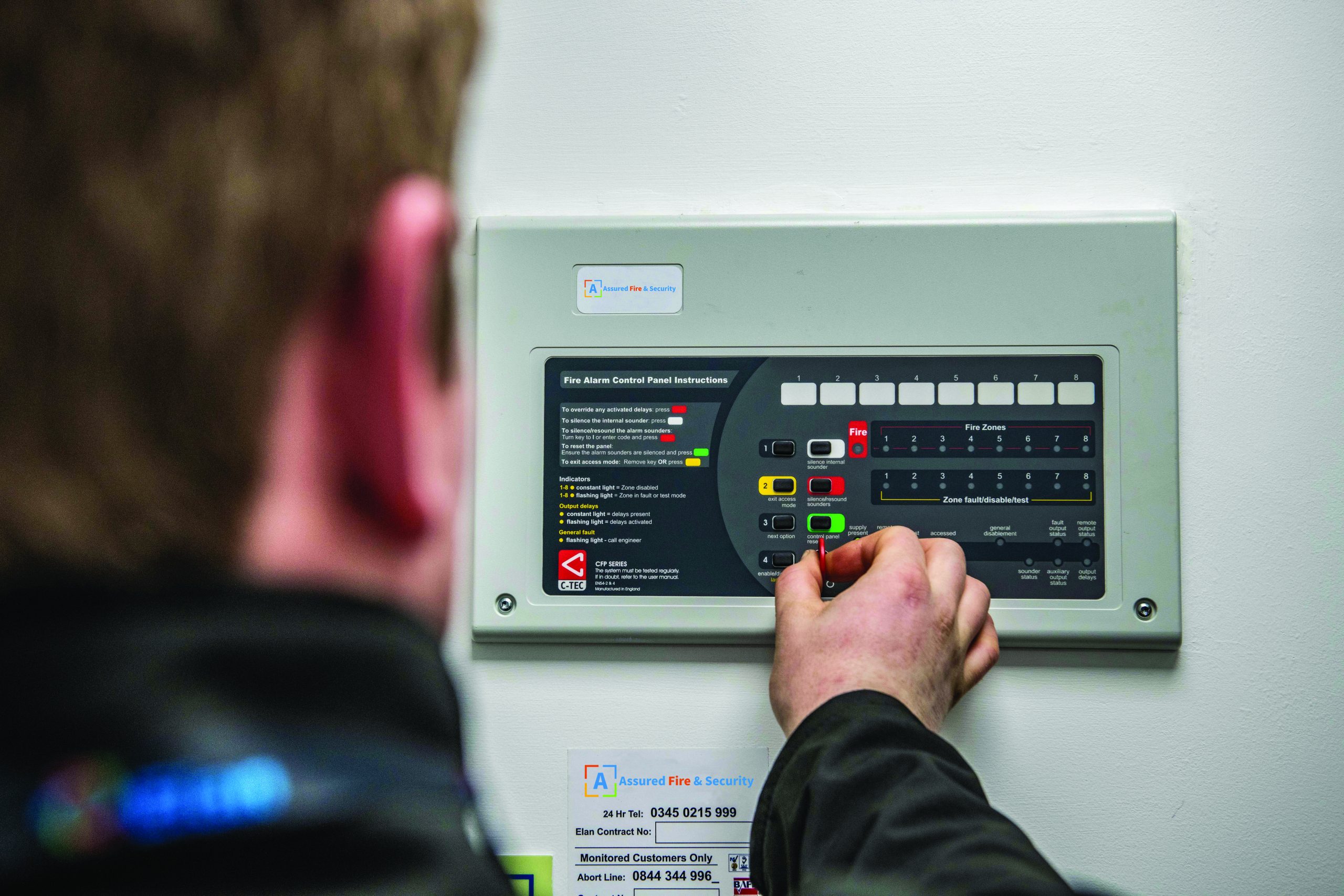
A well maintained commercial alarm system should provide dependable protection. Regular warning lights, communication failures or malfunctioning detectors suggest that the system has become unreliable.
Repairing one fault may solve an isolated issue. However, repeated failures across several devices often indicate wider deterioration.
Keeping a record of callouts and repairs can reveal patterns. It also helps you compare continued maintenance costs with the price of an upgrade.
3. The Manufacturer No Longer Supports the Equipment
Alarm manufacturers eventually withdraw older products and stop producing replacement parts. This can make repairs slow, costly or impossible.
Engineers may struggle to source compatible detectors, control panels or communication devices. Even if a temporary fix works, another unsupported component could fail soon afterwards.
A planned replacement reduces this uncertainty. It also gives you access to current technology and ongoing manufacturer support.
4. Your Building or Business Operations Have Changed
Alarm coverage must reflect the current layout of your premises.
New offices, stockrooms, partitions or external buildings can create unprotected areas. Changes to entrances and loading bays may also affect where detectors need to sit.
Business operations matter as well. Longer opening hours, lone working and increased staff numbers can alter how you set and manage the alarm.
A system designed for the old layout may leave serious gaps. A fresh site survey can identify areas that now need protection.
5. Your Current Alarm Offers Limited Monitoring
A basic audible alarm relies on someone nearby hearing it and taking action. This may not provide enough protection for commercial premises outside working hours.
Modern alarm monitoring can send signals to nominated keyholders or an alarm receiving centre. Depending on the system and response arrangement, the monitoring centre can verify activations and follow an agreed response plan.
Remote notifications also give managers faster access to key information. They can see when an alarm activates and which zone triggered the alert.
Assured Fire & Security designs each commercial alarm system around the risks and response needs of the premises.
6. The System Cannot Integrate With Other Security Measures
Commercial security works best when each system supports the others.
An intruder alarm can integrate with CCTV, allowing cameras to record the affected area during an activation. Access control records can provide further information about recent movement through the building.
Older alarm equipment may not support this type of integration. As a result, managers receive less information when they need to assess an incident.
A connected setup offers clearer oversight and a more coordinated response. It can also simplify security management across larger or multi site operations.
7. Repair and Maintenance Costs Keep Increasing
Regular servicing protects your investment and helps prevent unexpected faults. However, maintenance becomes less cost effective when an ageing system needs constant repairs.
Consider more than the cost of each replacement part. Engineer visits, downtime and temporary security arrangements all add to the total.
An upgrade can reduce recurring faults and provide a clearer maintenance plan. It may also allow you to replace several separate systems with one integrated solution.
Should You Repair or Replace Your Business Alarm?
Repair often makes sense when the system remains current and has one straightforward fault. Replacement becomes more practical when equipment is unsupported or several components have started to fail.
You should also consider future plans for the building. A scalable system can support additional detectors, users and security integrations as the business grows.
A professional inspection provides the clearest answer. An engineer can test the equipment, assess coverage and explain the costs of each option.
Working with an established security company in Essex also gives you access to ongoing installation, monitoring and maintenance support.
What Should a Modern Commercial Alarm System Include?
The right specification depends on the property and its risks. Most businesses need a combination of reliable detection, clear controls and a defined response process.
Useful features may include:
- Detectors suited to each part of the building
- Separate alarm zones for different areas
- Remote status updates and notifications
- Keyholder or professional monitoring
- Backup communication and power arrangements
- Integration with CCTV or access control
Simple controls for authorised staff
The installer should design the system around your site rather than supply a standard package. A warehouse, school and office building each require a different approach.
Ongoing security system maintenance should also form part of the plan. Regular servicing checks detectors, signalling equipment and control devices before faults weaken protection.
How Assured Fire & Security Can Help
Assured Fire & Security assesses commercial properties across Essex and surrounding areas. Its engineers identify vulnerable areas and recommend practical improvements based on the building’s layout and use.
The team can replace outdated alarm equipment, improve monitoring and connect the system with CCTV or access control. It also provides ongoing maintenance to support long term reliability.
This gives businesses one point of contact for design, installation and continued system care.
Frequently Asked Questions
How long does a commercial alarm system last?
There is no single lifespan for every alarm system. Equipment quality, usage, maintenance and environmental conditions all affect how long it remains reliable.
An engineer should review an older system if it develops recurring faults or lacks current security features.
How often should a commercial alarm receive maintenance?
The correct servicing schedule depends on the type of system and its monitoring arrangement. Your installer should create a maintenance programme that reflects the equipment and level of risk.
Do not wait for a fault before arranging an inspection. Preventive maintenance can identify weak batteries, damaged detectors and communication problems early.
Can an Existing Alarm System Be Upgraded?
Some systems can accept new detectors, communication devices or monitoring equipment. Others may lack compatibility with current technology.
An engineer must inspect the control panel, cabling and connected devices before recommending an upgrade. Reusing suitable components can control costs, but retaining unreliable equipment can weaken the finished system.
Protect Your Business With a Reliable Alarm System
An ageing commercial alarm system can develop serious weaknesses before it stops working completely. Frequent faults, limited monitoring and poor coverage all justify a professional review.
Assured Fire & Security can assess your current system and recommend a practical route forward. Contact the team to arrange a commercial security survey and protect your premises with confidence.