Fire safety is a legal requirement for businesses and a critical precaution for homes. Choosing the right fire extinguisher can save lives and protect property. In the UK, fire extinguishers are classified by the type of fire they are designed to tackle. Understanding these types ensures you have the right equipment for the hazards present in your building.
Types of Fire Extinguishers
Water Fire Extinguishers
Water extinguishers are suitable for Class A fires, which involve solid materials such as wood, paper, and textiles. They work by cooling the fire and reducing its temperature below the ignition point. Water extinguishers should never be used on electrical fires or flammable liquids.
Foam Fire Extinguishers
Foam extinguishers are versatile and effective on both Class A and Class B fires. They form a barrier between the fuel and oxygen, preventing the fire from spreading. Foam extinguishers are ideal for areas where flammable liquids like petrol or paints are stored.
CO2 Fire Extinguishers
Carbon dioxide (CO2) extinguishers are designed for electrical fires. They work by displacing oxygen around the fire and cooling the area. CO2 extinguishers are safe for use on most electrical equipment, including computers and machinery.
Dry Powder Fire Extinguishers
Dry powder extinguishers are suitable for Class A, B, and C fires, covering solids, liquids, and gases. They are also effective on electrical fires. These extinguishers work by coating the fuel with a thin layer of powder, separating it from oxygen and stopping the chemical reaction.
Wet Chemical Fire Extinguishers
Wet chemical extinguishers are specifically for Class F fires, which involve cooking oils and fats. Common in commercial kitchens, they work by cooling the oil and creating a soap-like layer to prevent re-ignition.
Choosing the Right Fire Extinguisher
Selecting the correct fire extinguisher depends on the environment and the types of fire risks present. Businesses often require multiple extinguisher types to cover all possible hazards. Homes typically benefit from a combination of water and CO2 extinguishers.
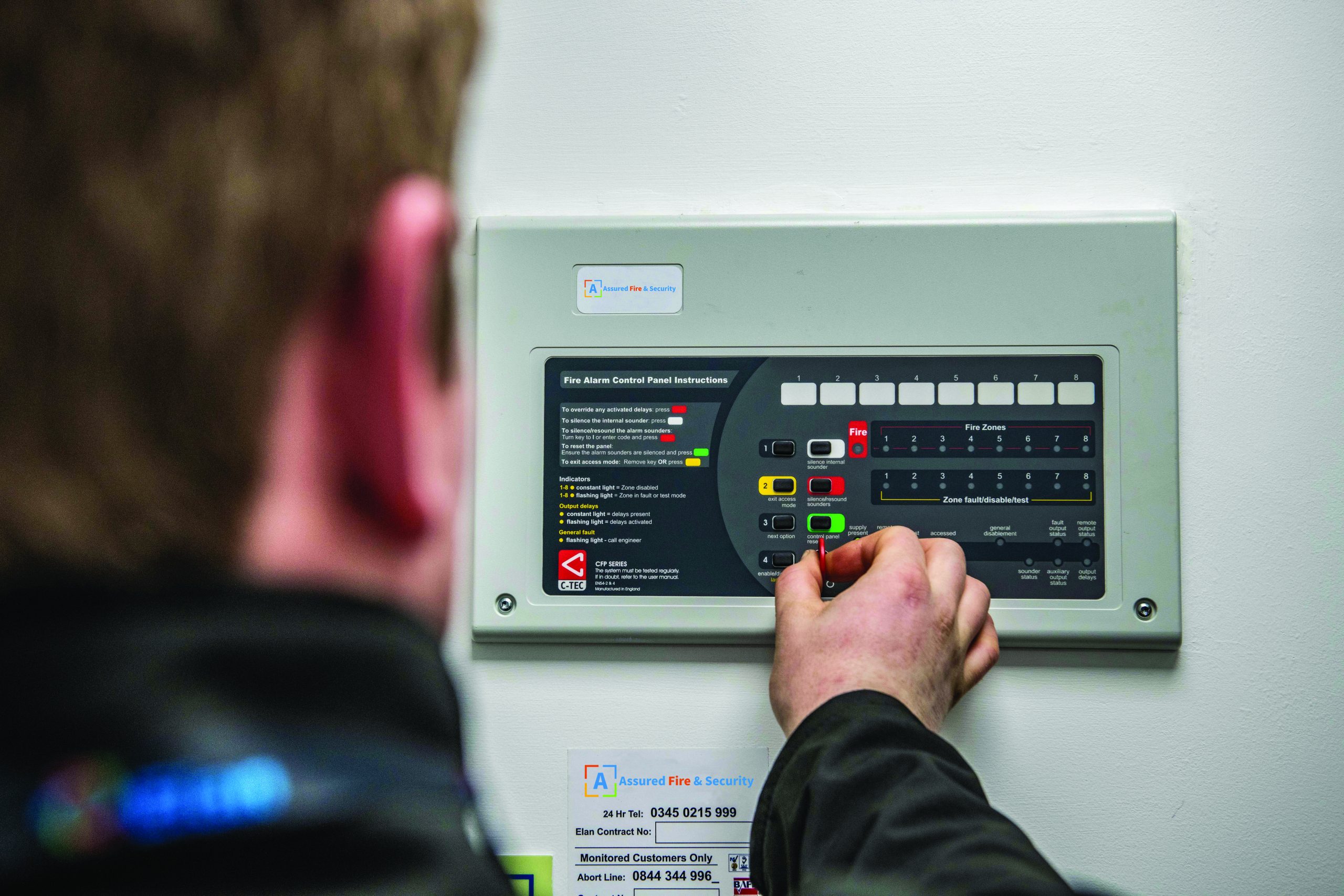
Installing the right fire safety equipment complements other essential systems such as fire alarms, which alert occupants early in an emergency.
Maintenance and Compliance
Regular maintenance ensures that extinguishers remain effective and comply with UK fire safety regulations. Fire extinguishers should be inspected monthly, and a full service should be carried out at least once a year by a certified professional.
Many UK businesses also benefit from installing complementary safety measures like disabled refuge systems for safe evacuation of vulnerable occupants.
Conclusion
Understanding the different types of fire extinguishers available in the UK is crucial for safety. Using the correct extinguisher for each fire type can prevent injuries and protect property. At Assured Fire & Security, we provide expert guidance, installation, and maintenance of fire extinguishers and broader fire safety systems.
If you’re looking to improve your fire safety measures, contact us today to discuss the best solutions for your building.