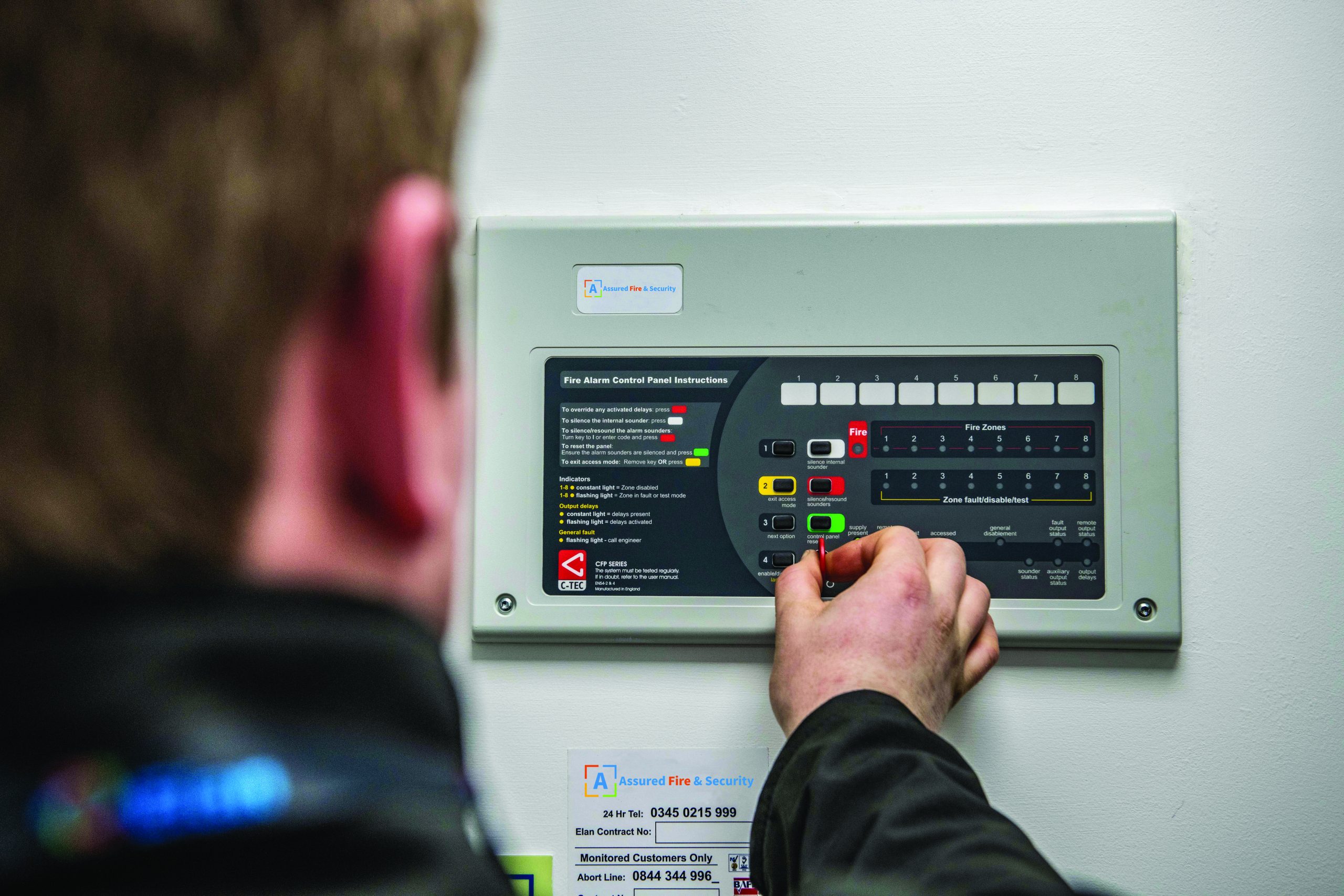
A burglar alarm isn’t a legal requirement for most homes in Essex, but it can add a valuable layer of protection. Modern systems can detect attempted entry, raise an immediate alert and provide remote monitoring when you’re away. The right setup depends on your property, its location and the level of security you want.
A well designed alarm also works as part of a broader home security plan. Good locks, lighting and sensible routines remain important, but an alarm provides protection when those measures aren’t enough.
What Does a Burglar Alarm Actually Do?
A burglar alarm detects activity that could indicate unauthorised entry into your home.
Most systems use a combination of door contacts and movement detectors. If somebody enters while the system is armed, the alarm activates.
Depending on the setup, this may trigger an external siren or send an alert to your phone. Monitored systems can also notify an alarm receiving centre.
Visible equipment can have a preventative role too. An external bell box shows that your property has an active security system before somebody attempts to enter.
Do I Legally Need a Burglar Alarm at Home?
There is no general UK law requiring homeowners to install a burglar alarm.
However, your home insurance policy may include specific security requirements. This is more common for properties containing high value items or homes with particular risk factors.
Check your policy before changing your existing security arrangements. Your insurer may specify particular locks, alarm standards or other protective measures.
Even when an alarm isn’t required, many homeowners choose one for the extra protection and reassurance it provides.
What Type of Burglar Alarm Should I Choose?
Home alarm systems range from straightforward audible alarms to professionally monitored systems.
Audible Alarms
An audible system activates a siren when it detects an intrusion. This can alert neighbours and draw attention to the property.
These systems provide a simple option, but somebody still needs to respond to the alarm.
Smart and App Connected Alarms
Connected systems can send notifications directly to your phone.
This means you can receive an alert while you’re at work, travelling or away from home. Many systems also let you check their status remotely.
Remote access adds convenience, but the system still needs suitable detectors and professional configuration.
Monitored Burglar Alarms
A monitored system sends alarm activations to an alarm receiving centre.
This provides an additional response layer when nobody is at home. The exact response depends on the monitoring arrangement and system specification.
Professional intruder alarm installation ensures detectors, controls and signalling equipment suit the layout of your home rather than relying on a standard package.
Wired or Wireless Burglar Alarm?
Both wired and wireless systems can provide effective home security.
Wireless alarms need less cabling, which makes them useful for existing homes where owners want to minimise disruption. They can also make future expansion easier.
Wired systems use physical connections between components. They can provide a strong long term solution, particularly when security equipment forms part of a larger renovation or new build project.
The best choice depends on your property rather than one technology always being better.
Which Parts of My Home Need Protection?
A good alarm design starts with how somebody could access the property.
Front and back doors require attention, but vulnerable windows and side entrances matter too. Garages and outbuildings may contain expensive equipment that also needs protection.
Ground floor rooms often present the greatest risk, although the layout of each house differs.
An installer should also consider how your family uses the property. Pets, children and different working patterns can all affect detector placement and alarm zoning.
Is a Burglar Alarm Worth It in Essex?
The value of an alarm isn’t limited to responding after a break in.
A visible system can discourage attempts to enter the property. Early alerts also give homeowners the chance to respond quickly when unusual activity occurs.
For people who spend long periods away from home, remote alerts can provide useful reassurance. Monitored systems add another layer when you cannot respond yourself.
There is no single level of security that suits every home. The aim should be proportionate protection based on your property and circumstances.
Don’t Forget About Alarm Maintenance
Installing an alarm is only the first step.
Sensors, batteries and communication equipment need to remain reliable. A fault that goes unnoticed can reduce protection when you need the system.
Regular security system maintenance allows engineers to check key components and identify problems before they cause a failure.
You should also arrange an inspection if the system starts producing unexplained alarms or develops communication faults.
Why Choose Professional Installation?
DIY alarms can provide basic protection, but professional installation gives you a system designed around your actual home.
An installer can identify vulnerable areas, select suitable detectors and position equipment correctly. They can also explain monitoring options and make sure everybody in the household knows how to use the controls.
Professional installation becomes particularly useful for larger homes or properties with garages, extensions and several access points.
Frequently Asked Questions
Does a burglar alarm reduce home insurance?
Some insurers offer different terms when approved security measures are installed, but this varies between providers and policies. Contact your insurer before installing a system if insurance savings are important to you.
Can I control my burglar alarm from my phone?
Many modern systems support smartphone apps. These can provide notifications and allow you to check or control parts of the system remotely.
Can I have an alarm if I own pets?
Yes. An installer can select suitable detectors and configure the system around pets. The correct approach depends on the animal and layout of your home.
Should I leave my alarm on when I’m at home?
Modern systems can often protect selected areas while you remain inside. For example, you may arm downstairs doors and windows overnight while keeping bedrooms unrestricted.
How often should my home alarm receive maintenance?
The correct maintenance schedule depends on the alarm and monitoring arrangements. Follow the manufacturer’s guidance and your installer’s recommended servicing programme.
Final Thoughts
You don’t legally need a burglar alarm in most Essex homes, but installing one can strengthen your overall security. It provides early warning of attempted entry and can give you greater control when you’re away.
The best system should reflect the size, layout and risks of your property. It should also remain simple enough for everyone in the household to use properly.
If you’re considering a new burglar alarm, contact Assured Fire & Security to discuss a system designed around your Essex home.