As technology advances, many businesses and property owners are upgrading their networks to fibre optic cabling. But what exactly is it, and why does it matter for fire and security systems?
Fibre optic cabling uses strands of glass or plastic to transmit data through light rather than electrical signals. This allows information to travel at much higher speeds and over longer distances without signal loss. In fire and security systems, that level of reliability can make a significant difference.
How Fibre Optic Cabling Works
Each fibre optic cable contains thin strands that carry light pulses. These pulses transmit data instantly between connected devices, such as fire alarm panels, CCTV cameras, or access control systems. Because light signals aren’t affected by electrical interference, fibre optic cabling remains stable even in challenging environments like industrial buildings or large commercial premises.
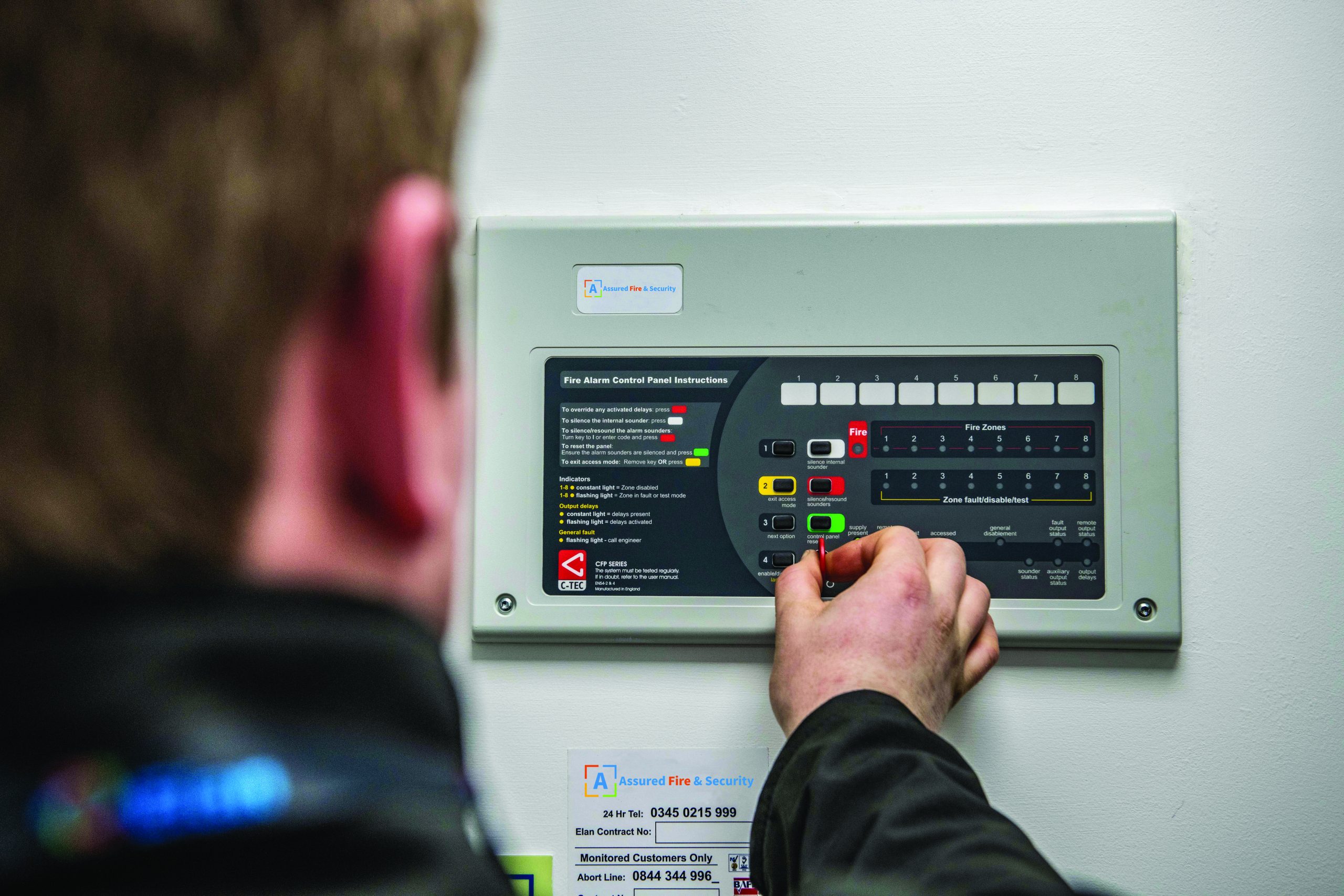
This technology is particularly useful in complex systems where speed and accuracy are essential. For example, fire alarm networks rely on instant communication between detectors, control panels, and monitoring systems. Fibre optic cabling helps those signals reach their destination without delay, ensuring faster response times and improved safety.
Benefits of Fibre Optic Cabling for Fire and Security Systems
High-Speed Communication
Fibre optic cabling transfers data far faster than traditional copper wiring. That speed is crucial when connecting multiple security devices such as CCTV cameras or alarm systems across large sites.
Improved Reliability
Fibre optics are immune to electrical interference, which often affects copper wiring. This makes them ideal for environments with heavy machinery or other electronic systems.
Greater Distance Coverage
Fibre optic cables can carry data over long distances without signal loss. This is particularly valuable for large commercial sites or multi-building networks.
Enhanced Security
Fibre optic lines are harder to tap into, offering better protection against data breaches or tampering. This is especially important for systems handling security footage or access data.
Why Fibre Optic Cabling Matters for Safety Systems
Modern fire alarm systems and CCTV networks depend on fast, reliable data transfer. A weak or unstable connection can delay alerts or cause false readings, reducing the effectiveness of your safety measures. Fibre optic cabling ensures that every component of your system communicates instantly and accurately, giving you greater confidence in your protection.
Many access control systems also benefit from fibre connections, particularly in large sites where multiple entry points need to stay in sync. Reliable communication between doors, readers, and control panels helps maintain building security at all times.
What Assured Fire & Security Can Do
At Assured Fire & Security, we design, install, and maintain fibre optic cabling for fire and security systems across a wide range of industries. Our installations are tailored to suit your building’s layout, ensuring high performance and long-term reliability.
You can find more about our services, where we outline how our solutions support both new and existing systems. We also provide complementary services such as fire alarm systems and CCTV installations, helping you build a complete, connected safety network.
Conclusion
If your fire and security systems rely on fast, uninterrupted communication, fibre optic cabling is the best choice. It offers superior performance, security, and reliability compared to traditional wiring. Whether you’re upgrading an existing network or planning a new installation, fibre optics ensure your systems are ready for the future.
Contact Assured Fire & Security today to learn more about our fibre optic cabling services and how we can strengthen your building’s fire and security infrastructure.