Martyn’s Law places a stronger focus on preparedness, risk reduction, and protective security in public spaces. For many organisations, meeting these requirements means reviewing both procedures and physical security measures. Security technology plays a key role in supporting compliance while improving safety for staff, visitors, and the wider public.
Rather than relying on one solution, Martyn’s Law encourages a layered approach. Well planned security systems help organisations demonstrate awareness, control access, monitor risks, and respond effectively to incidents.
Understanding Martyn’s Law Responsibilities
Martyn’s Law, formally known as the Terrorism (Protection of Premises) Act, requires organisations to assess risk and introduce proportionate measures to reduce harm during a hostile incident. The level of responsibility depends on the size and use of the premises, but all covered locations must show evidence of planning and preparedness.
Security technology supports these duties by reducing vulnerability and improving response capability. Systems should align with real risks and day to day operations, rather than creating disruption or unnecessary complexity.
Access Control and Risk Reduction
Controlling who can enter a building is one of the most effective ways to reduce risk. Access control systems allow organisations to manage entry points, restrict sensitive areas, and monitor movement throughout a site.
In schools, offices, and public buildings, access control helps prevent unauthorised access during operating hours. These systems also support lockdown procedures by allowing doors to be secured quickly when required.
Well designed access control forms part of a proportionate security strategy and supports
Martyn’s Law by limiting opportunities for unauthorised entry. Many organisations already use access control for safeguarding or operational reasons, which makes it easier to integrate into wider compliance planning.
CCTV and Situational Awareness
CCTV plays a vital role in monitoring behaviour, identifying risks, and supporting rapid decision making. Live footage allows staff or security teams to assess situations as they develop, while recorded footage supports investigation and review.
Under Martyn’s Law, situational awareness is critical. CCTV helps organisations identify suspicious behaviour early and respond appropriately. It also provides reassurance to staff and visitors by demonstrating visible security measures.
Modern CCTV systems support remote access, high resolution recording, and integration with other security technologies. When used correctly, CCTV strengthens both prevention and response planning.
Intruder Alarms and Incident Response
Intruder alarm systems support Martyn’s Law by providing immediate alerts when unauthorised access occurs. These systems help detect breaches outside normal operating hours or in restricted areas.
Alarms trigger rapid response and reduce reliance on manual checks. They also support incident escalation procedures, ensuring that threats are identified and managed quickly.
When combined with CCTV and access control, intruder alarms create a layered defence that aligns with the principles of Martyn’s Law. This integrated approach improves resilience and response capability.
Fire Safety and Emergency Communication
Although Martyn’s Law focuses on hostile threats, emergency response overlaps with existing fire safety responsibilities. Clear alerts, evacuation procedures, and communication systems are essential during any emergency.
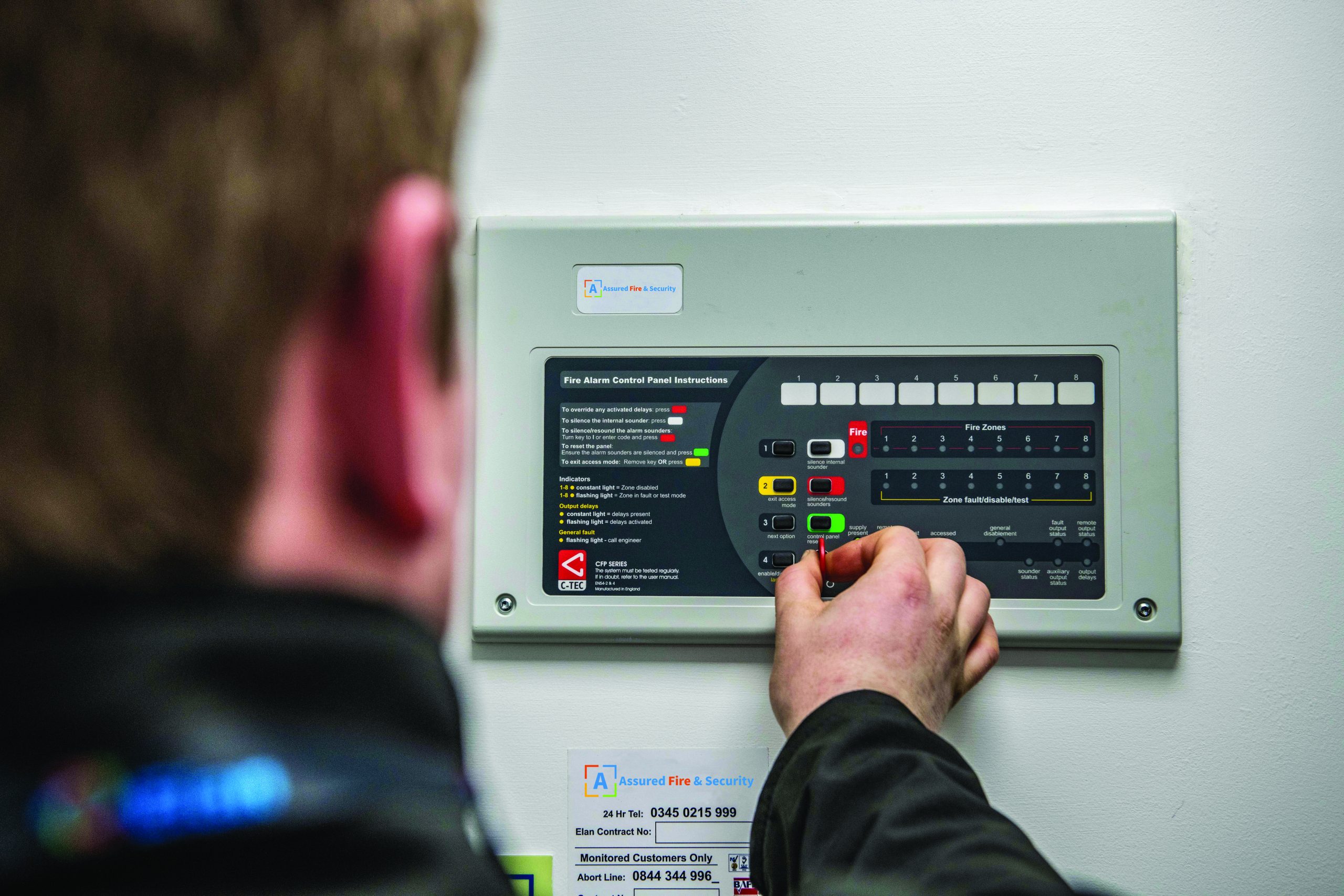
Fire alarm systems provide reliable alerts and help guide people to safety. These systems already form part of most organisations’ safety planning, which makes them a natural foundation for wider emergency preparedness.
Technology supports coordination, communication, and clarity during critical moments. This directly supports the aims of Martyn’s Law.
How Assured Fire & Security Can Help
Assured Fire & Security supports organisations in designing and maintaining security systems that align with Martyn’s Law requirements. We assess existing measures, identify gaps, and recommend proportionate improvements based on your premises and risk profile.
Our services include CCTV, access control, intruder alarms, and fire safety systems. We focus on practical solutions that improve safety without disrupting daily operations. By aligning technology with policy and training, we help organisations demonstrate compliance and preparedness.
Conclusion
Security technology plays a central role in meeting Martyn’s Law expectations. Access control limits risk, CCTV improves awareness, alarms support rapid response, and fire safety systems ensure clear communication.
Together, these systems help organisations create safer environments and demonstrate a proactive approach to protective security. If you are reviewing your security arrangements in light of Martyn’s Law, contact Assured Fire & Security to discuss how we can support your compliance and safety goals.