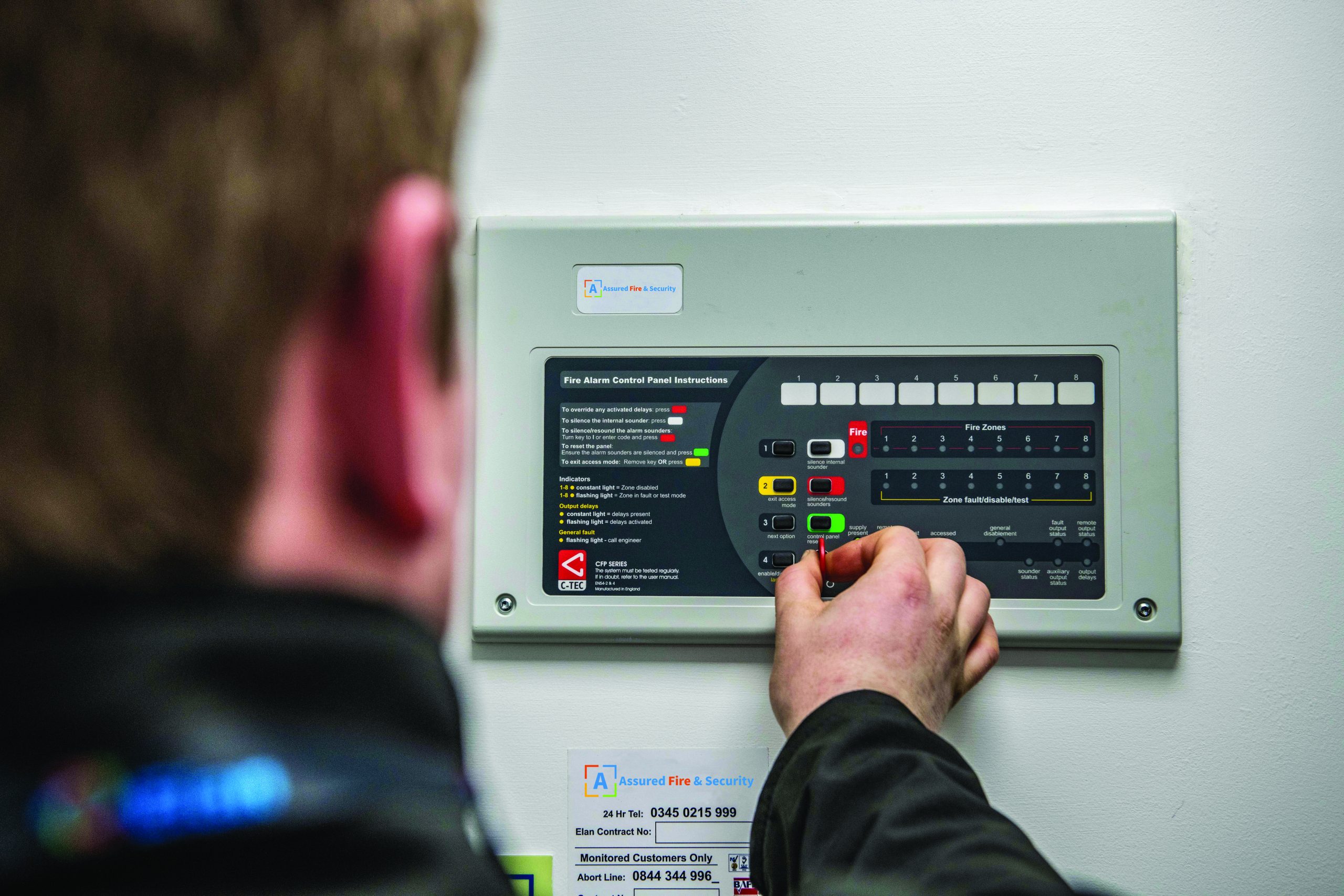
Conducting regular fire risk assessments is crucial to ensuring the safety of your business premises, staff, and customers. An effective assessment identifies potential fire hazards, evaluates the risks, and implements measures to reduce or eliminate those risks. This step-by-step guide explains how to carry out a thorough and compliant fire risk assessment for your business.
Step 1: Identify Potential Fire Hazards
Begin by walking through your premises to pinpoint possible sources of ignition, fuel, and oxygen:
- Sources of ignition: electrical equipment, heaters, open flames, lighting, or cooking equipment.
- Sources of fuel: combustible materials such as paper, cardboard, textiles, chemicals, or furniture.
- Sources of oxygen: open windows, ventilation systems, or chemical oxidisers.
Step 2: Identify People at Risk
Evaluate who might be at risk during a fire emergency, including:
- Employees
- Visitors and customers
- Contractors
- Individuals with mobility issues or disabilities
Step 3: Evaluate, Remove or Reduce the Risks
After identifying hazards and individuals at risk, take steps to mitigate these risks:
- Remove hazards: Keep flammable materials away from ignition sources.
- Reduce hazards: Regularly maintain electrical equipment, ensure proper waste disposal, and provide safe storage of combustible materials.
- Fire safety measures: Install fire alarms and suppression systems, fire extinguishers, and emergency lighting.
Step 4: Record Your Findings and Actions
Clearly document your assessment, detailing:
- Identified hazards and actions taken
- The locations of fire equipment and exits
- Fire safety procedures and training plans
- A clear emergency evacuation plan
Keeping detailed records helps demonstrate compliance with fire safety regulations.
Step 5: Plan and Provide Fire Safety Training
Ensure staff are trained on:
- Recognising fire hazards
- Proper use of fire safety equipment
- Evacuation procedures and escape routes
- Emergency assembly points
Regular training ensures staff remain prepared and confident in emergencies.
Step 6: Regularly Review and Update Your Assessment
Conduct regular reviews, especially if:
- Structural changes or renovations occur
- New equipment or processes are introduced
- Incidents or near misses highlight new risks
Frequent reviews ensure your fire safety strategy remains effective and compliant.
Conclusion
A thorough fire risk assessment protects lives, secures property, and keeps your business compliant with your insurers and fire safety regulations in the UK. By systematically identifying, mitigating, and regularly reviewing fire risks, you can significantly enhance safety across your business premises.
For professional assistance with fire risk assessments, contact the experienced team at Assured Fire today.