Redcare is Saved!

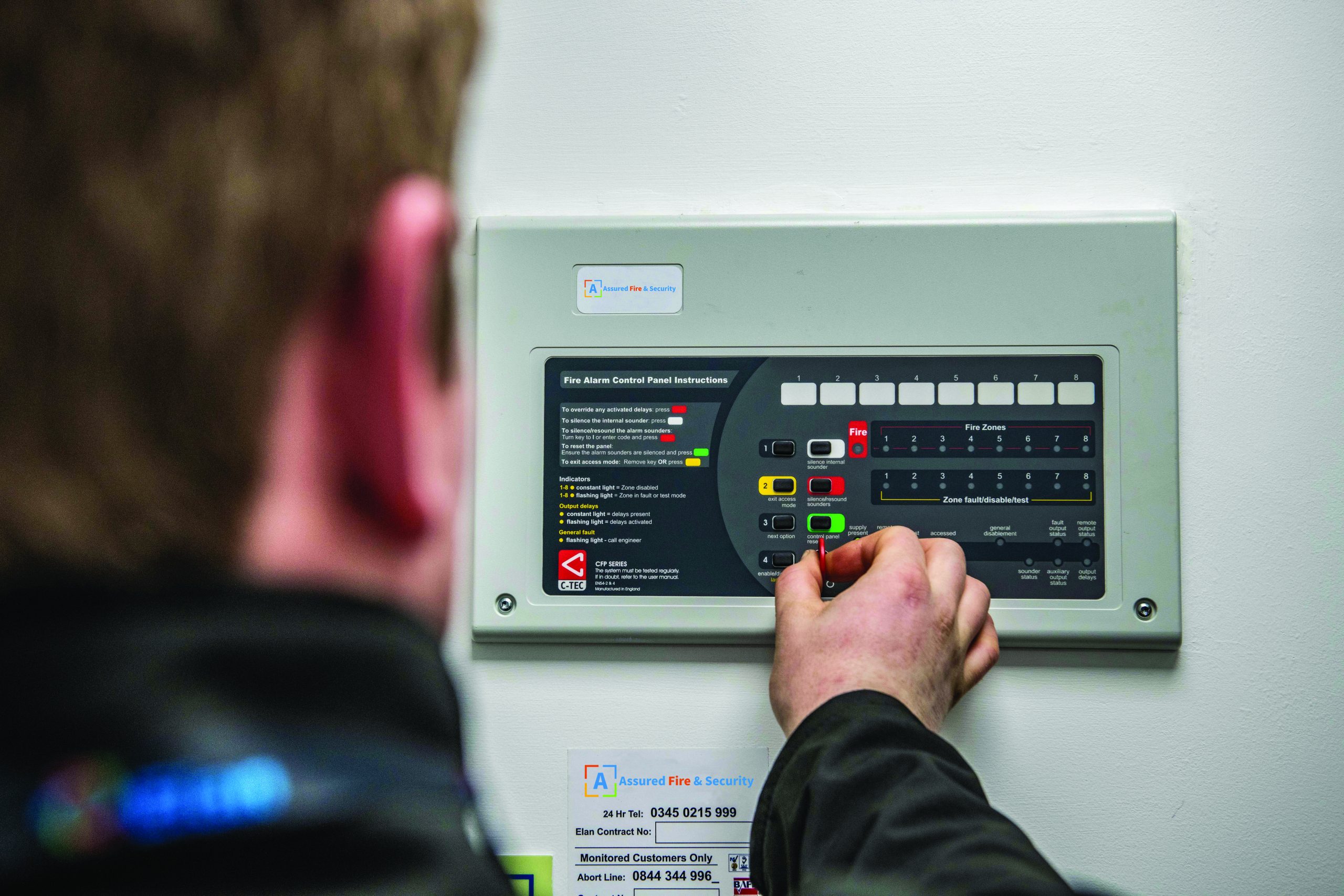
After the shock announcement in February 2024 that BT were discontinuing the Redcare portfolio, the entire Fire & Security industry was sent into meltdown. This on top of the already stressful nationwide PSTN switch off program thats been in full swing for the past few years, meant that alarm systems all of types across the country (and installed in 90% of our monitored customers premises) would need to be upgraded at further cost. But thankfully it is now SAVED. Leading European IoT & Alarm Signalling provider AddSecure, has stepped in and agreed a deal with BT to partner and manage all of the existing BT Redcare customers and services going forward. For us and the entire industry, this is a very welcomed news. View this article for further information.

More posts

The difference between residential and commercial security systems comes down to scale, complexity, and level of protection.
Commercial buildings require different types of fire risk assessment depending on their size, layout, and level of risk. In most cases, a Type 1 assessment is sufficient, but more complex buildings may require intrusive inspections such as Type 2, 3, or 4 assessments.
Emergency lighting must be tested regularly to ensure it works during a power failure or emergency evacuation. UK guidance states that emergency lighting should undergo a short functional test every month and a full duration test once a year.
The difference between residential and commercial security systems comes down to scale, complexity, and level of protection.
Commercial buildings require different types of fire risk assessment depending on their size, layout, and level of risk. In most cases, a Type 1 assessment is sufficient, but more complex buildings may require intrusive inspections such as Type 2, 3, or 4 assessments.
The difference between residential and commercial security systems comes down to scale, complexity, and level of protection.
Commercial buildings require different types of fire risk assessment depending on their size, layout, and level of risk. In most cases, a Type 1 assessment is sufficient, but more complex buildings may require intrusive inspections such as Type 2, 3, or 4 assessments.
Emergency lighting must be tested regularly to ensure it works during a power failure or emergency evacuation. UK guidance states that emergency lighting should undergo a short functional test every month and a full duration test once a year.