School safety has always been a priority, but new legislation is bringing security planning into sharper focus. Martyn’s Law, formally known as the Terrorism (Protection of Premises) Act, introduces a new framework for protective security at publicly accessible premises. When the Act comes into force, it will set out clearer expectations around risk awareness, preparedness, and proportionate protective measures.
Some schools and education settings are expected to be in scope, particularly where it is reasonable to expect larger numbers of people to be present on site or at specific events. Understanding how Martyn’s Law may apply helps leadership teams, governors, and site managers prepare in a calm and structured way.
What Is Martyn’s Law?
Martyn’s Law is named in memory of Martyn Hett, who lost his life in the Manchester Arena attack in 2017. The legislation has been developed to improve protective security and emergency preparedness across publicly accessible locations.
Rather than introducing extreme security measures, the law is designed to encourage organisations to assess risks, plan proportionate responses, and ensure people know how to react if an incident occurs. The focus is on preparedness and awareness, not fear.
How Martyn’s Law Is Expected to Apply to Schools
When the Act comes into force, how Martyn’s Law applies to schools will depend on factors such as size, occupancy, and how the premises are used. Schools or events where it is reasonable to expect higher numbers of people may fall under more detailed requirements, often referred to as enhanced duties. Smaller settings are expected to fall under lighter, standard duties.
Schools in scope will be expected to demonstrate that they have considered potential risks and taken reasonable steps to prepare. This may include reviewing access arrangements, understanding lockdown or evacuation procedures, and ensuring staff know how to respond in an emergency.
Martyn’s Law builds on existing responsibilities rather than replacing them. Many schools already manage fire safety, safeguarding, and emergency planning, which provides a strong foundation.
Security Planning and Risk Assessment
Risk assessment sits at the centre of the legislation. Schools will be expected to consider how an incident could occur and how it would be managed on their site. This does not require complex or technical plans, but it does involve clear thinking and documented actions.
Areas such as site access, visitor management, and perimeter security may come under review. Many schools already use measures such as controlled entry points, CCTV, and intruder alarms. When correctly designed and maintained, these systems can support preparedness and demonstrate a considered approach to safety.
Staff Awareness and Training
Martyn’s Law places importance on people as well as systems. Staff awareness and clear procedures are key to effective response. This does not mean specialist counter terrorism training, but practical guidance that helps staff act calmly and confidently.
Staff should understand basic actions such as how to secure areas, guide pupils to safety, and communicate with emergency services. These procedures often align closely with existing fire safety training, making them easier to integrate into current practices.
The Role of Fire and Security Systems
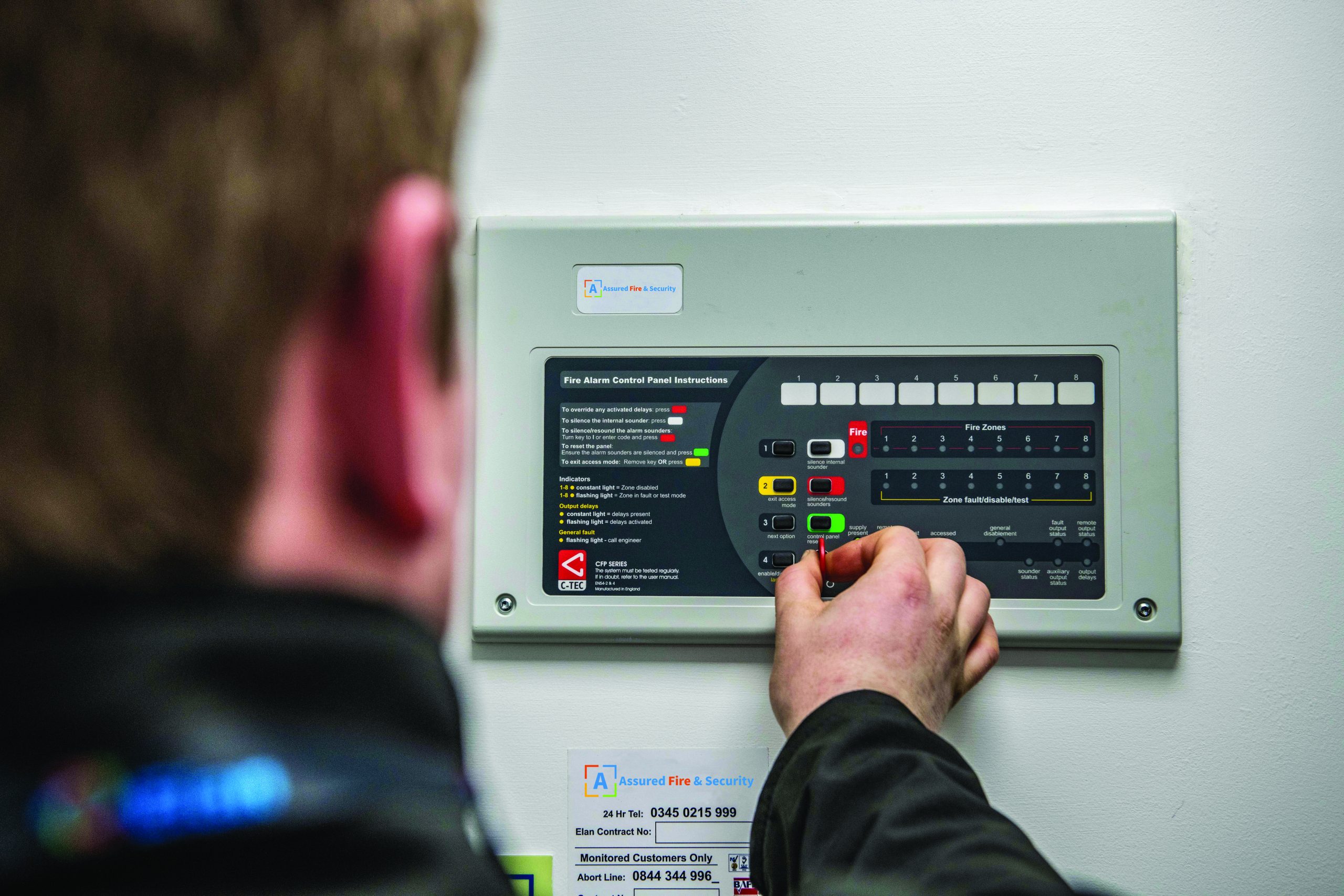
Technology can support the aims of Martyn’s Law when used appropriately. Fire alarms, access control, CCTV, and communication systems all contribute to prevention and response.
Fire alarm systems provide rapid alerts and clear evacuation signals. CCTV supports monitoring and incident review. Access control systems help manage who enters the site and when. For schools with multiple buildings or larger campuses, a structured and integrated approach can improve clarity and coordination during critical moments.
It is important to note that no specific technology is mandated by the legislation. Any measures adopted should always be proportionate to the size, use, and risk profile of the school.
How Assured Fire and Security Can Help
Assured Fire and Security supports schools with practical and proportionate security solutions. We help schools review existing arrangements, identify gaps, and strengthen preparedness without disrupting the learning environment.
Our services include CCTV, access control, intruder alarms, and fire safety systems. We work closely with school leadership teams to ensure security measures support daily operations while aligning with emerging legislative expectations.
Conclusion
Martyn’s Law represents a move towards clearer and more consistent security planning in schools. It encourages awareness, preparation, and proportionate protection, building on responsibilities schools already manage.
By understanding the direction of the legislation and reviewing current arrangements, schools can prepare confidently and responsibly. With the right support in place, it is possible to meet future expectations while maintaining a safe, welcoming environment for pupils and staff.
If your school is reviewing its security arrangements in light of Martyn’s Law, contact Assured Fire and Security to discuss how we can help you plan, protect, and prepare with confidence.